
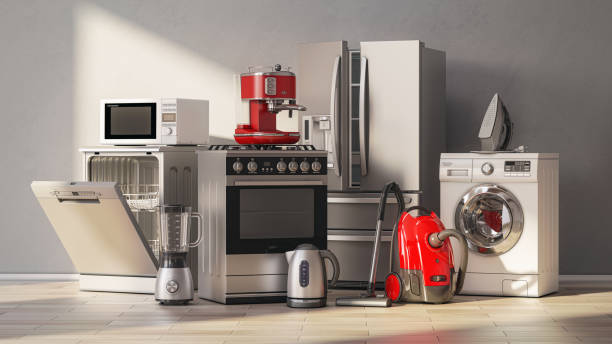
Home appliances have changed a lot over the years. Older appliances were often built with simple controls, basic mechanical parts, and fewer electronic features. Newer models may include digital controls, improved safety systems, better energy use, and more advanced functions.
These changes can affect how an appliance works, how often it needs maintenance, and how easy it is to repair. Understanding the differences between older and newer appliances can help homeowners make better decisions when replacing an appliance, maintaining an existing one, or deciding whether a repair is worthwhile.
How Appliances Have Changed Over Time
Older appliances were generally designed around straightforward mechanical systems. A refrigerator, washing machine, oven, or dishwasher could often be operated using simple switches, knobs, timers, motors, belts, and other physical components.
Newer appliances combine mechanical components with electronic controls and sensors. Many models are designed to monitor their own operation and adjust settings based on what is happening inside the appliance.
The changes can provide useful benefits, but they can also make repairs different from those needed for older equipment. A problem that was once solved by replacing a simple mechanical component may now involve checking wiring, sensors, control boards, or other electronic parts.
Difference Between Older and Newer Appliances
Energy Efficiency
One of the biggest differences between older and newer appliances is the way they use energy. Older models were often designed with less focus on reducing electricity or water consumption. Their motors, heating elements, compressors, and other components may use more resources during normal operation.
Newer appliances are commonly designed to operate more efficiently. Manufacturers have introduced improved motors, insulation, compressors, heating systems, and control methods that can help reduce energy use.
For example, a modern refrigerator may use a more efficient compressor and improved insulation to maintain a stable internal temperature. A newer washing machine may use less water while adjusting the wash cycle according to the selected setting.
Better efficiency can make newer appliances attractive for households that want to manage ongoing operating costs. However, efficiency does not mean that every newer appliance will use the same amount of energy. Performance depends on the appliance type, model, condition, settings, and usage habits.
Older appliances can also become less efficient as components wear out. A refrigerator with a damaged door seal may lose cooled air, causing the compressor to work harder. A washing machine with a worn component may also require more effort to complete a cycle.
Regular maintenance can help keep appliances operating properly regardless of their age.
Controls and Technology
Older appliances usually have simple controls. Knobs, switches, buttons, and mechanical timers were common. These controls were often easy to understand because each one had a specific function.
Newer appliances can have touch controls, digital displays, sensors, electronic timers, programmable settings, and automatic adjustment features. Some models can detect temperature, load size, moisture, water levels, or other operating conditions.
These features can make everyday use more convenient. For example, a newer dishwasher may adjust parts of its cycle based on the selected program. A modern dryer may detect moisture and stop the cycle when clothes are sufficiently dry.
However, advanced controls can also introduce additional components that may require inspection when something goes wrong.
An appliance may appear to have a simple problem, such as a button that does not respond, but the cause could involve the control panel, wiring, sensor, or electronic control system.
This is one reason professional appliance repair services Concord can be useful when a newer appliance develops a problem that cannot be identified through basic troubleshooting.
Repair and Replacement of Parts
The design of appliance parts has also changed. Older appliances often relied heavily on mechanical components that could be removed, tested, repaired, or replaced individually.
Newer appliances may contain more integrated systems. Electronic control boards, sensors, digital displays, and specialized components can play several roles in appliance operation.
This does not mean newer appliances cannot be repaired. It simply means that the repair process may be different.
For an older appliance, a technician may inspect a motor, belt, thermostat, switch, valve, or heating element. With a newer model, the inspection may also involve electronic components and diagnostic procedures.
Parts availability can also influence the repair decision. Some older appliance parts may no longer be manufactured or may be difficult to source. On the other hand, newer appliances may have replacement parts that are readily available but more specialized.
The condition of the appliance should always be considered before deciding whether to repair or replace it. A reliable appliance with one worn component may still be worth repairing, while an appliance with repeated problems may require a different approach.
If an appliance is not working correctly, appliance repair Concord can help identify the actual source of the problem before a replacement decision is made.
Safety Features
Safety has become an important part of modern appliance design. Newer appliances may include automatic shut-off systems, child locks, temperature controls, overload protection, door sensors, and other safety features.
These features are designed to reduce certain risks during normal operation.
For example, a modern oven may include controls that help prevent unsafe operation. A newer washing machine may monitor its load or water level. A dryer may include systems designed to prevent excessive heat.
Older appliances may have fewer built-in safety features. Some models rely more heavily on the user to monitor operation and follow safety instructions.
Age can also affect appliance safety. Worn electrical wiring, damaged plugs, loose connections, deteriorated seals, or faulty switches can create problems in older equipment.
Newer appliances are not completely free from safety concerns either. Electrical faults, damaged components, blocked vents, and improper installation can affect any appliance.
If an appliance shows signs such as burning smells, unusual electrical sounds, repeated tripping of a circuit, excessive heat, or visible damage, it should be stopped and inspected by a qualified professional.
Durability and Design
Older appliances are often remembered for their sturdy construction and straightforward design. Some were built with heavy materials and relatively simple internal systems. This could make certain repairs easier and allow an appliance to remain useful for many years with proper care.
Newer appliances may use different materials and more compact designs. Manufacturers often focus on energy efficiency, appearance, convenience, capacity, and additional functions.
A newer appliance may offer more features in a smaller or more streamlined design. However, its internal construction can be more complex than that of an older model.
Durability depends on many factors, including the appliance brand, design, materials, installation, maintenance, frequency of use, and operating conditions.
An older appliance that has received regular maintenance may continue to work well, while a poorly maintained newer appliance can develop problems much sooner than expected.
This is why age alone should not determine whether an appliance needs replacement.
Why Maintenance Matters for Both Types of Appliances
Although older and newer appliances have different designs, both need proper care.
Maintenance can help identify small problems before they become larger ones. It can also help keep important components working as intended.
For older appliances, maintenance may involve checking mechanical parts, electrical connections, seals, hoses, belts, motors, and other components.
For newer appliances, maintenance may also include checking sensors, control systems, filters, electronic components, and manufacturer-recommended settings.
Simple care can make a difference. Keeping filters clean, checking hoses for signs of wear, keeping appliance vents clear, cleaning seals, and following the manufacturer's operating instructions can support reliable performance.
Home appliance repair Concord may also be useful when maintenance reveals a component that needs professional attention.
Should You Repair an Older Appliance or Replace It?
There is no single answer for every appliance. The right choice depends on the appliance's condition and the nature of the problem.
Consider the following factors:
- The overall condition of the appliance
- The type of problem it has
- The availability of replacement parts
- The expected cost of repair
- How well the appliance has performed in the past
- Its energy use
- Whether it still meets household needs
- Whether the appliance has developed repeated problems
A well-maintained older appliance with a limited problem may continue to provide dependable service after a proper repair.
On the other hand, replacement may make more sense if the appliance has frequent failures, serious damage, poor efficiency, or difficult-to-find parts.
Are Newer Appliances Always Better?
Newer appliances can offer several advantages, but newer does not automatically mean better for every household.
Modern models may provide improved energy efficiency, convenient controls, better safety features, and additional operating options. They can also make certain household tasks easier.
At the same time, newer appliances may have more complicated electronic systems. Repairs can require specialized knowledge and replacement components.
An older appliance may lack some modern features but can still perform its main function reliably.
The best choice depends on what the household needs from the appliance, how much it is used, and whether its current performance is satisfactory.
How to Know When an Appliance Needs Professional Attention
Some appliance problems are easy to notice. Others can develop gradually.
Common warning signs include unusual noises, poor heating or cooling, water leaks, unusual smells, failure to start, repeated shutdowns, inconsistent performance, or controls that do not respond correctly.
Trying to continue using an appliance that is showing a serious fault can sometimes make the problem worse.
Professional inspection can help determine whether the issue comes from a worn mechanical component, electrical fault, sensor, control system, or another part.
A proper diagnosis is especially useful with newer appliances because the visible symptom may not reveal the actual source of the problem.
Making the Most of Your Appliances
Whether an appliance is older or newer, proper use and care can help maintain its performance.
Read the manufacturer's instructions and use the appliance according to its intended purpose. Avoid overloading washing machines, dryers, and dishwashers. Keep filters and vents clean where applicable. Check seals and hoses regularly for visible damage.
Pay attention to changes in performance. A strange noise, longer operating cycle, unusual temperature, or repeated error can be an early warning that something needs attention.
Addressing a problem early may help prevent additional wear on other components.
Final Thoughts
Older and newer appliances differ in several important ways, including energy efficiency, controls, repair requirements, safety features, and design. Older models may rely more on mechanical systems, while newer models often combine mechanical parts with electronic controls and sensors.
Neither type is automatically the right choice for every household. An older appliance can remain useful when it is properly maintained and its components are in good condition. A newer appliance can offer improved efficiency, convenience, and safety features.
When an appliance develops a problem, understanding its design and condition can help you make a more informed repair or replacement decision. Professional inspection can also help identify the cause of a fault and determine the most suitable next step.
FAQs
Are older appliances harder to repair?
Not always. Older appliances may have simpler mechanical systems that can be easier to diagnose. However, replacement parts may be difficult to find for discontinued models. The repair process depends on the appliance type, condition, fault, and availability of suitable components.
Do newer appliances require more maintenance?
Newer appliances still need regular maintenance, even when they include advanced features. Filters, seals, vents, hoses, electrical connections, and other components can wear over time. Following the manufacturer's care instructions can help maintain proper performance.
Are newer appliances more energy efficient?
Many newer appliances are designed with energy efficiency in mind. Improved motors, insulation, sensors, compressors, and control systems can reduce resource use. Actual efficiency depends on the appliance, model, condition, settings, and how frequently it is used.
When should an older appliance be replaced?
Replacement may be worth considering when an appliance develops repeated problems, has serious damage, uses excessive energy, or has parts that are no longer available. However, a reliable older appliance with a manageable fault may still be worth repairing.
Can professional repair help with newer appliances?
Yes. Newer appliances can contain electronic controls, sensors, specialized components, and diagnostic systems. Professional inspection can help identify the source of a problem and determine whether a repair is practical. This can prevent unnecessary replacement when the issue is repairable.